
Market Analysis
Wall Street’s Biggest Banks Report Into an Oil Shock and a Rate Scare
Oct 12, 2026
share_this_article


back_to_articles
Lenders have ridden higher rates to strong profits. This week’s results will show whether war-driven oil, 5% Treasury yields and a still-hawkish Fed are starting to bite.
October 12, 2026
The biggest US banks open third-quarter earnings on Tuesday facing a question that has little to do with their own balance sheets: how much damage a war in the Middle East is doing to the economy they lend into.
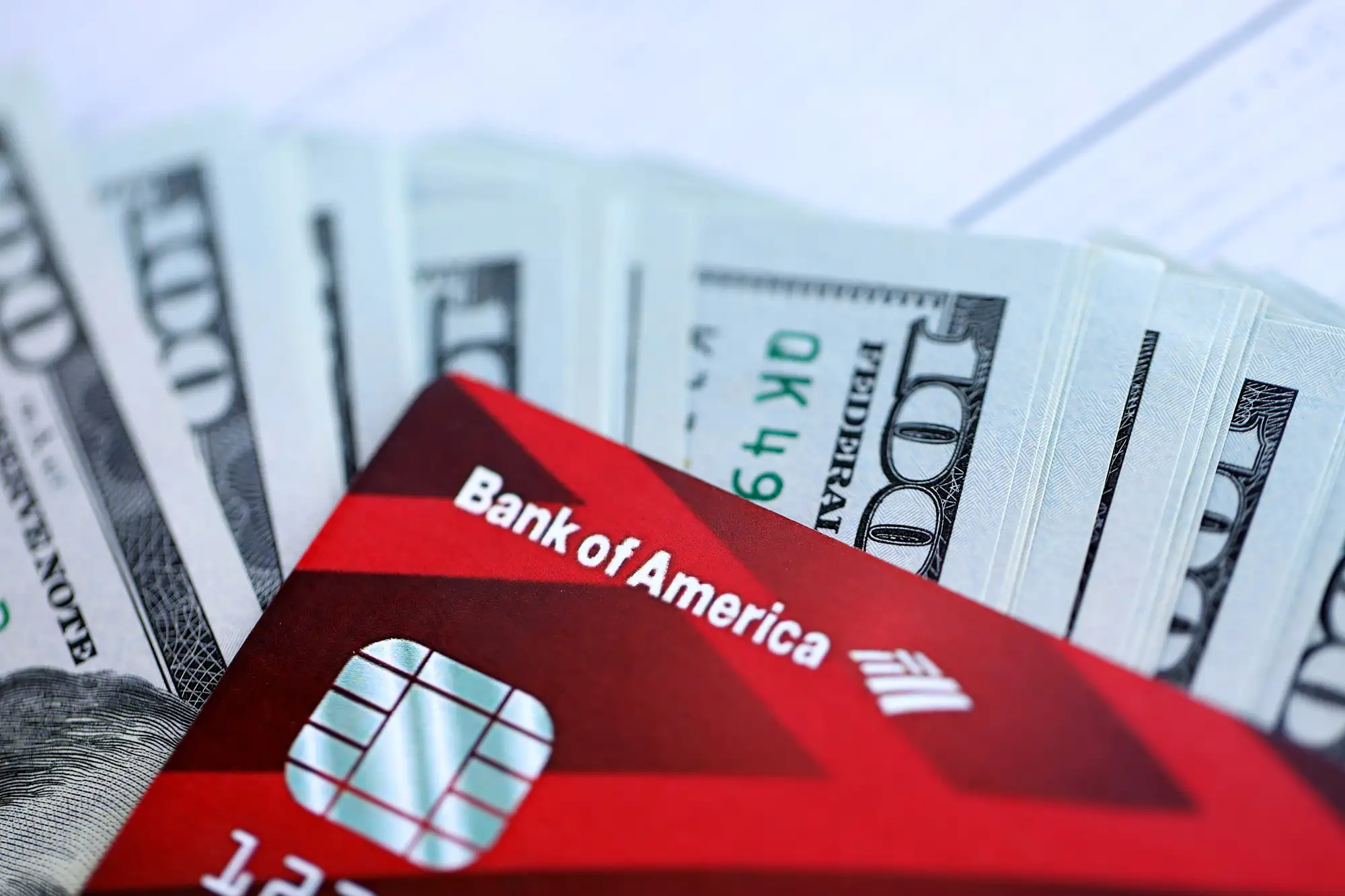
JPMorgan Chase Inc., Goldman Sachs Group Inc., Citigroup Inc. and Wells Fargo & Co. report before the open. Bank of America Corp. and Morgan Stanley follow on Wednesday, with regional lenders closing out the week. Analysts expect profits at the largest banks to rise as much as 20% from a year earlier, according to Reuters, with no sign of deterioration in credit. On paper, it is another good quarter.
The backdrop is less comfortable. Brent crude is trading above $100 a barrel, driven by the US-Iran conflict, tanker attacks near the Strait of Hormuz and Houthi strikes on Saudi Arabia. Oil briefly topped $105 last week before easing when President Donald Trump said the US wouldn’t attack Iran ahead of next month’s midterm elections. That has kept inflation stubborn, and it has kept the Federal Reserve on the offensive.
Under Chair Kevin Warsh, the central bank raised its benchmark rate by a quarter point to 3.75%–4% in September, its first hike since 2023. Markets are betting on at least one more by year-end. The 10-year Treasury yield has climbed above 5.2%, from about 3.9% in March, and Bloomberg reported this week that it approached its highest level since 2002.
For banks, that cuts both ways. Higher short-term rates widen the spread on loans and securities, and many lenders are asset-sensitive. But the speed of the move in long-dated yields has weighed on the sector’s stocks. The KBW Bank Index fell about 6% in the third quarter and sits roughly 13% below its August peak. Wells Fargo shares have dropped about 13% in the past month, the steepest decline among the six largest US banks, CNBC reported.
Deposit costs are the main thing investors will press management on. Cheryl Pate of Angel Oak Capital Advisors told Reuters she doesn’t expect big deposit flows or a drastic rise in costs, but investors will want guidance on both.
Dealmaking is the other pressure point. JPMorgan has guided to investment banking fees and trading revenue rising by a mid-to-high-teens percentage. Bank of America has warned of a drop of at least 10% in advisory fees. Higher Treasury yields have already pushed back some planned stock offerings, and the war premium in oil makes the pipeline harder to read. Equities trading is expected to be the standout, with Goldman’s desk projected to bring in about $5.1 billion; fixed income is expected to be softer.
Jamie Dimon has been warning about this kind of environment all year. After JPMorgan’s record second quarter in July, the chief executive said conditions were getting close to as good as they get, according to Fortune, and cited geopolitical wars, sticky inflation and large fiscal deficits as risks shifting beneath the surface.
The timing adds to the tension. September consumer prices land Wednesday morning, the same day Bank of America, Morgan Stanley and BlackRock report. Forecasts call for headline inflation to accelerate to roughly 3.6%–3.7% from 3.4%, with energy the main driver. A hot reading would push yields and Fed hike odds higher; a soft one would give bank stocks room to recover. Traders see a hold at the Fed’s meeting later this month but are split on whether December brings another increase.
Beyond the big banks, the read-through widens. Regional lenders including US Bancorp, M&T Bank and Truist report Thursday and Friday and will show whether loan demand and funding costs look different outside the money-center names. Charles Schwab will offer a view on how clients are reacting to higher cash yields. With the S&P 500 near a record, strong bank results could extend the rally, while cautious talk about lending, deposits or the deal pipeline would feed doubts about how long stocks can hold up against 5% long-term yields.
The base case is a solid quarter. The risk is the tone: a bank that beats on earnings but sounds careful on loans, funding or the outlook may trade lower anyway. For a sector priced for resilience, guidance may matter more than the numbers.
This article is market commentary, not investment advice.
related_articles

Market Analysis
Oil Jumps Past $110 After Saudi Drone Strike, But Gold’s Safe-Haven Playbook Is Broken
Oct 22, 2026

Market Analysis
France's Debt Crisis Shakes the Euro as Riots Erupt Ahead of a Pivotal Budget Vote
Oct 20, 2026
Market Analysis
US Inflation Test: Markets Brace for September CPI Amid a Hormuz Oil Shock and an Unusual Fed Hiking Cycle
Oct 14, 2026